
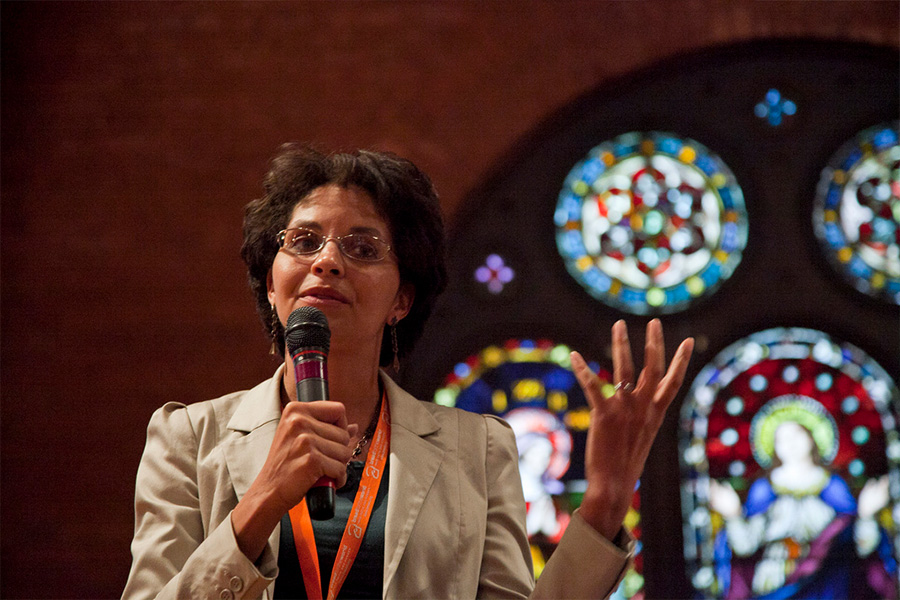
Tara Marks’ story of poverty so extreme that she skipped meals to provide enough for her son is an inspiration. Pell grants; the Special Supplemental Nutrition Program for Women, Infants, and Children (WIC); and the Supplemental Nutrition Assistance Program (SNAP, formerly food stamps) were the stepping-stones that helped Tara escape poverty and go to law school.
Tara’s journey shows that our government’s budget discussions are about more than numbers. Fiscal decisions have real consequences. For Tara, a budget that funded domestic nutrition programs created a path out of hunger and poverty for her and her son, Nathan. Tara noted that when she was hungry, abundance surrounded her. “This was not a question of availability of food, but a question of affording it. I did not live in a food desert; I lived in a food mirage. I had many grocery stores around me, but I could not afford to go in and shop.”
Tara passed out from hunger before finally applying for SNAP, which gave her access to adequate food. Food assistance alone did not help her move up the ladder of prosperity, but it gave her the stability to get the education that did. Stories like Tara’s not only humanize hunger and poverty, but serve to remind our members of Congress that decisions made today will affect lives tomorrow.
Tara Marks, a former SNAP recipient from Pittsburgh, Pa., is studying to be a lawyer.
FACT: Just over half of all Americans (51.4 percent) will live in poverty at some point before age 65. (Urban Institute, “Transitioning In and Out of Poverty, 2007).
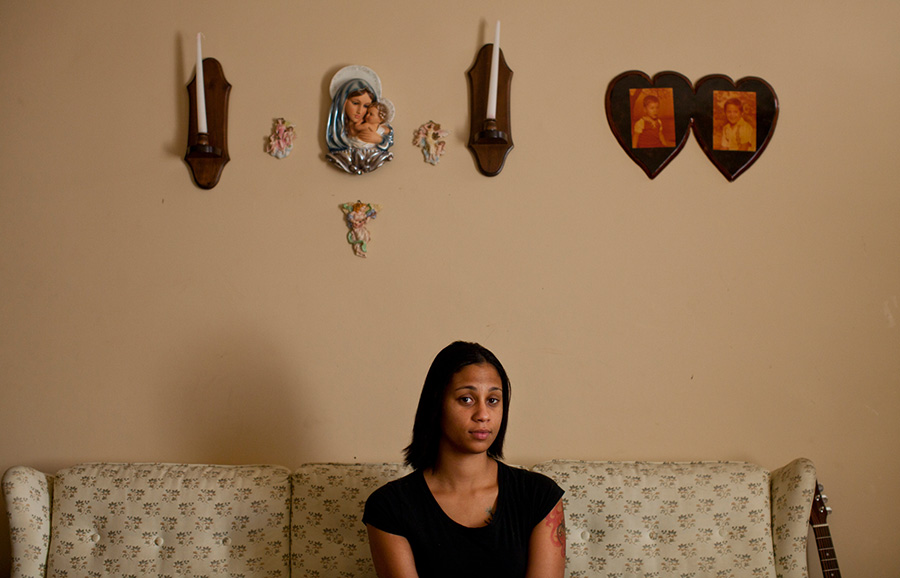
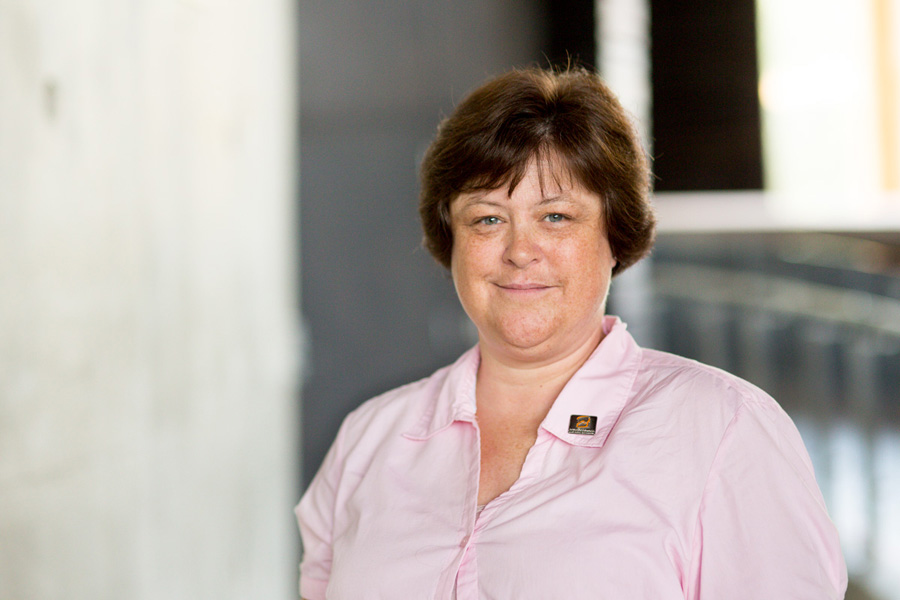
 Sheila Edwards Howard has lived on both sides of the poverty line—and she has advocated for poor and hungry people from both sides of that line as well.
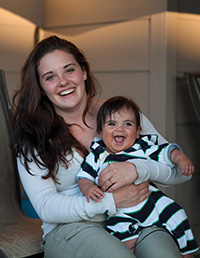 Pregnant and homeless at 16, Alli Morris moved into a maternity homeless shelter called Grandma’s House in Bend, Ore. When her son, André, was born on Oct. 31, 2010, doctors quickly discovered that he suffered from hypopituitarism, a condition in which the pituitary gland doesn’t produce normal amounts of hormones. André’s medical condition is treatable, however, and he can live a healthy, normal life if he continues to take his medication. Without his medications, André could suffer from seizures and brain damage. It is also imperative that André eats nutritious food. “Nutrition is a really big deal with André,” Alli explains. “With his thyroid problem, if he doesn’t eat healthy, he would become an unhealthy, obese baby, because he doesn’t have a metabolism.”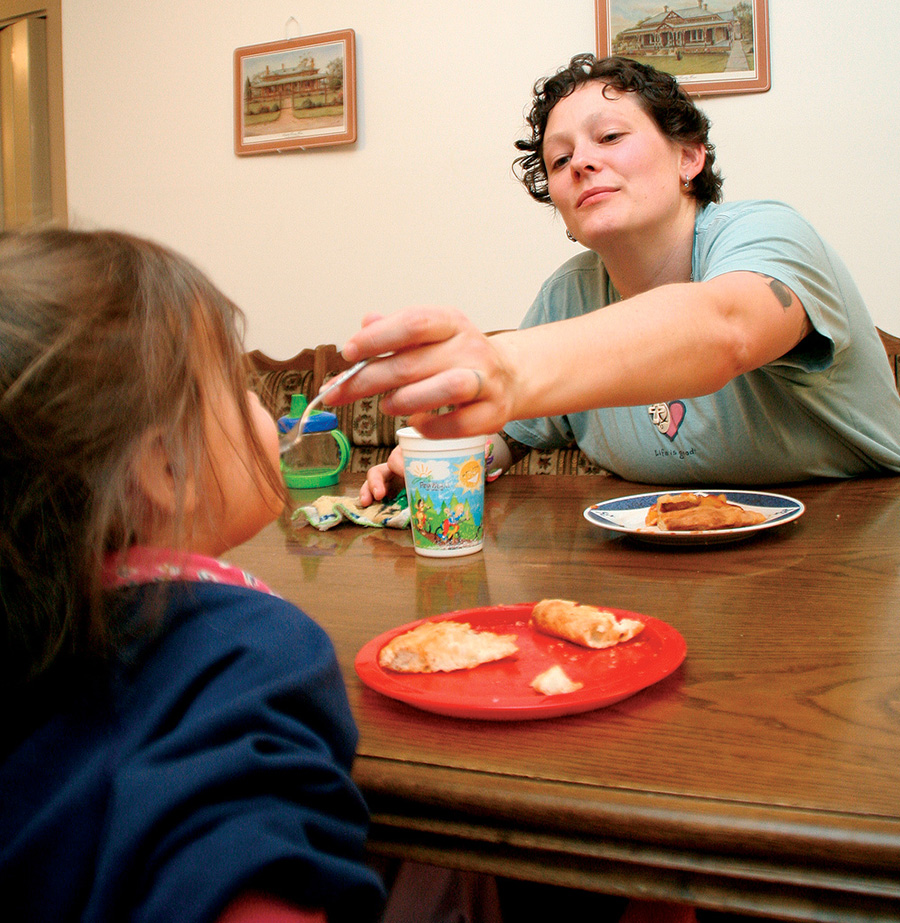

 A couple of weeks after I found out my husband and I were expecting our first child, we lost our health insurance. We were disappointed, as is to be expected. I had been excited about going forth with my prenatal check-ups with a doctor I had chosen for her directness, serious demeanor, and expertise.